
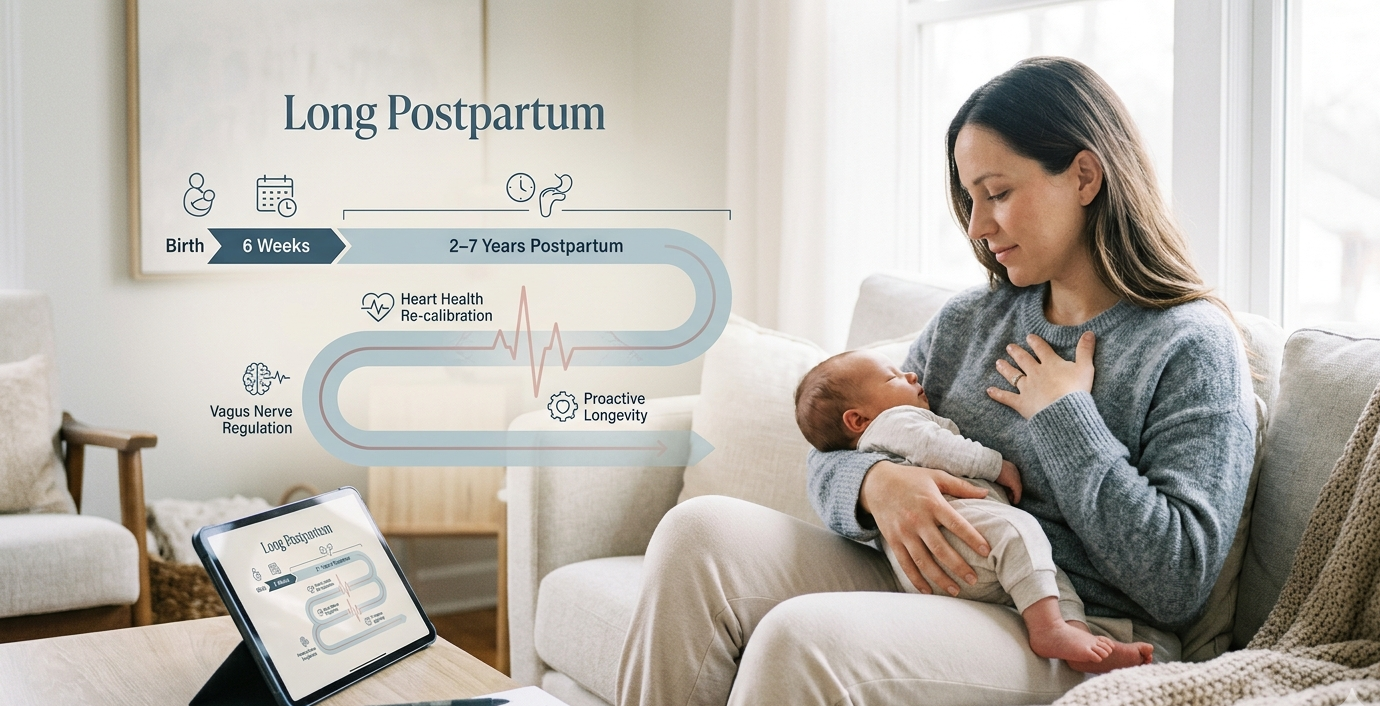
Pregnant mothers face more than simply changes in body, pregnant mothers also face cardiovascular challenges and, like a true warrior, must fight these challenges. Many people view the transition to being a parent as a 40-week sprint followed by 6 weeks of recovery time. However, for mothers, their postpartum journey is a long one; they will recover from their postpartum period not only for months, but years. In 2026, several healthcare facilities are running their research work to document what new mothers endure during their recovery following their postpartum period. According to the research, women with an adverse pregnancy outcome (APOs) have had their hearts undergo a lengthy re-calibration process that will occur in the future.
The Risk Window Lasts 2–7 Years
When a baby is born, everyone looks after the newborn and the new mom. The long-term cardiovascular health hardly comes in the mind. However, in a research, patients of preeclampsia, gestational hypertension, or preterm birth showed arterial stiffness and high blood pressure certainly post delivery within 2 and 7 years.
This “latency period” doesn’t play upfront during the time and body may appear to have returned to “normal”. The internal lining of the blood vessels (the endothelium) may carry the inflammation of a complicated pregnancy. When a pregnant woman gets diagnosed with preeclampsia, her chances to develop cardiovascular disease before hitting 55 can increase by 1% to 2%. Through this study, experts don’t want to fear people, but to make them aware about the pregnancy complications. These complications are not the problems but the warning signals that should be taken seriously.
Stress – A Biological Catalyst Ruining the Balance
You may ask why and how the stress manifests the risk years later. It is the due to the physiology and lifestyle of the new mother. The postpartum phase often involves high-stress. The new parents have to deal with –
The sleep deprivation
The mental stress, and
The pressure of making a comeback to a career
The heart is soft and has already passed the test for preeclampsia; cortisol disrupts the balance. Extreme stress and pressure during 2-7 years postpartum window are the major causes of high blood pressure. Due to lack of structural or emotional tools, this phase becomes difficult to handle, making the healing process difficult for the heart.
As a catalyst, it is responsible for –
- Systemic inflammation, which prevents healing of the blood vessels.
- Endothelial dysfunction is a subtle damage to the linings of the vessel which creates the risk of hypertension.
- Reduced heart rate variability is a symptom of the stuck nervous system.
Somatic Intelligence Can Be a Solution
For the challenges like long postpartum, somatic intelligence can be a proven solution. This is more of an “empathy-driven” movement rather than traditional fitness.
It involves-
- Vagus Nerve Regulation – Regulating the breath to release the stress from the body helps in achieving the recovery state.
- Somatic Yoga – Noticing the internal sensation rather than external form helps reduce the physiological friction caused by stress.
- Empathy Rule – Self-compassion is not just a mindset but a cardiovascular intervention. The load on the heart is reduced when the stress bar is lowered.
We can shift from reactive care to proactive longevity by accepting that Long Postpartum is a reality and therefore we will be able to keep our hearts as vibrant as the love they generate as a result of growing a child into an adult.

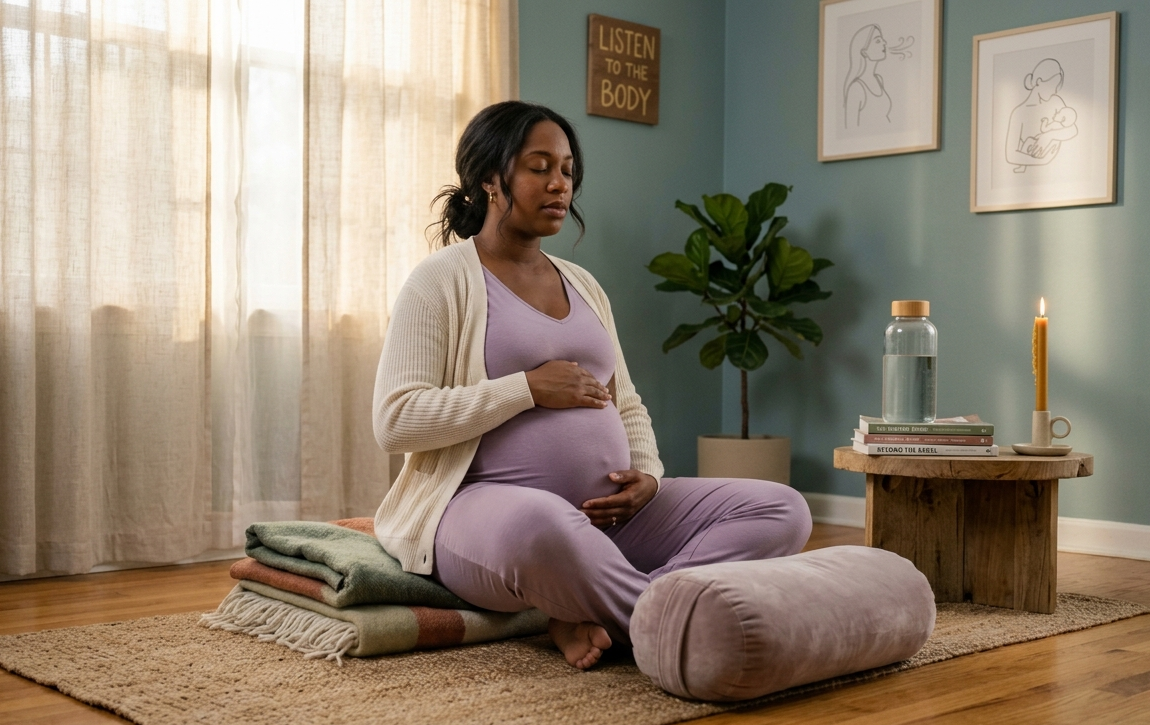

I am facing postpartum depression. I need meditation guru. can you help me
special meditation sessions available on request. You may book your session by dropping your name at 7015620060.