
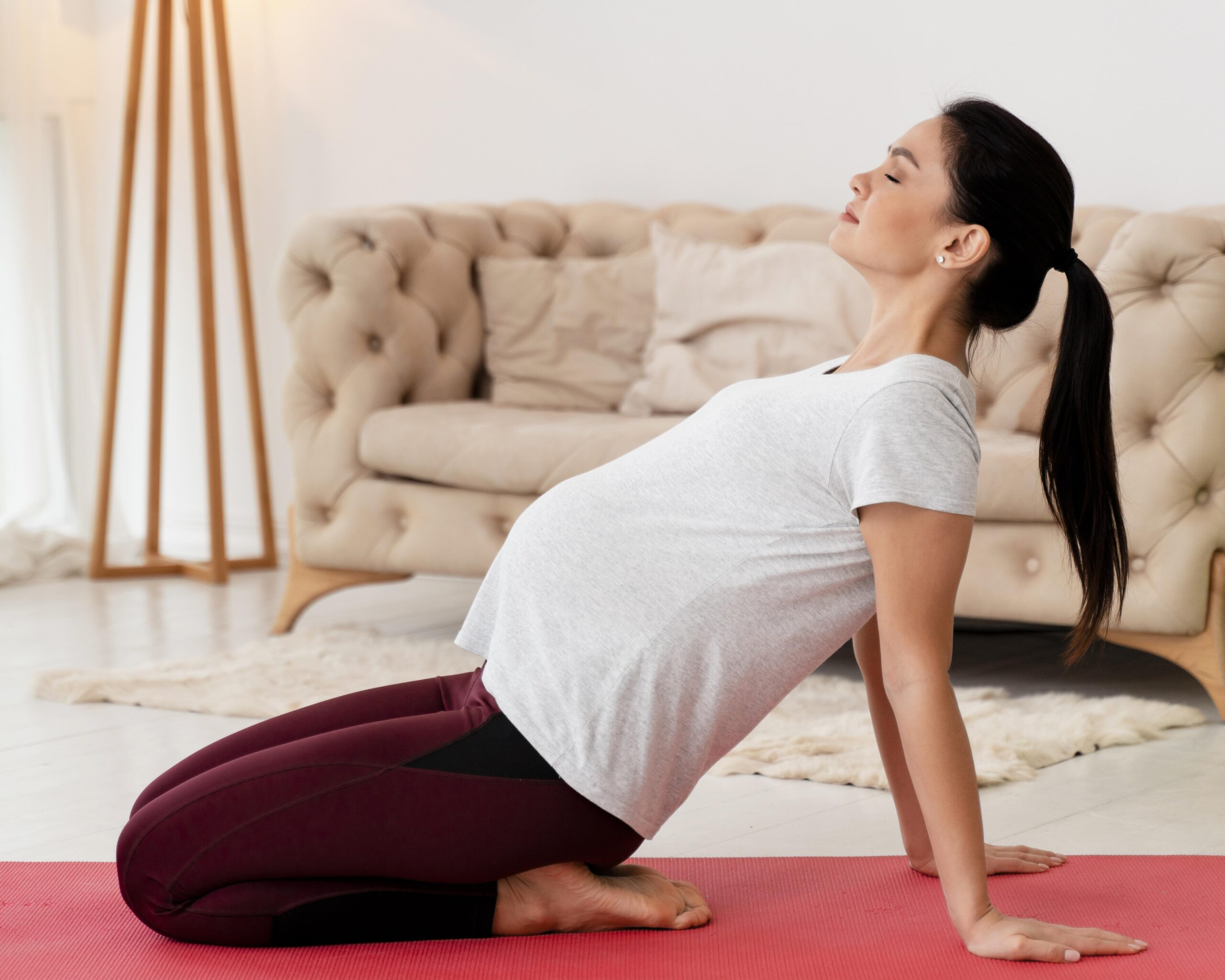
Bringing life into the world is a breathtaking yet challenging journey. While the physical body undergoes countless transformations, the craving for emotional peaks needs to be balanced with some natural methods to anticipate the grand arrival. Being one of the reliable methods, yoga for childbirth empowers the prospective mothers to stay strong, peaceful, and composed throughout pregnancy and delivery.
Daily practice of basic yoga exercises can reduce discomfort, soothe one’s nerves, and even facilitate smoother births. Whether pregnant for the first time or expectant again, the following are some of the simplest survival yoga poses, breathing exercises, and relaxation methods for a healthy birth experience.
Why Follow Yoga for Childbirth?
Prenatal yoga contains far more than the tweaking of the body. It is there for the entire journey-emotionally, mentally, and spiritually. This is the way that yoga for childbirth works its magic during pregnancy and childbirth. Practice of yoga regularly during pregnancy assists in providing that extra confidence for a smooth birthing process.
- Strength and flexibility: Particularly in the pelvic region, hips, thighs, and lower back—that prepare the body to labor with positions.
- Posture and balance: Become critical as the entire shape of the body changes and center of gravity shifts.
- Relieve stress and anxiety: Breathing exercises and relaxation techniques soothe the nervous system.
- Improved sleep and digestion: facilitated by gentle movement and breathing to achieve harmony and relaxation.
1. Gentle Yoga Asanas for Pregnancy Support
Safety and comfort are ensured when a whole yogaroutine is modified into trimesters. The following asanas can be followed comfortably by the novice with spectacular effects:
a) Cat-Cow (Marjaryasana-Bitilasana)
- Facilitates spinal movement and relief from back pain.
- Shifting between a Lord arched spine pose and a rounded Cow pose variation on the tabletop.
- Maintains the spine flexible and alleviates stress on the lower back.
- Encourages the slow, deep breath and freedom of movement through the pelvis.
- Aids in positioning the baby prior to the onset of labor.
- Typically, one of the Prenatal yoga class favorites due to its balancing and calming actions.
b) Butterfly pose (BaddhaKonasana)
- Pries open the hips and provides blood flow.
- Sitting upright, bring the soles of the feet together.
- Allow your knees to flutter softly down like butterfly wings to ease tight hips.
- Increases blood flow toward the pelvic region and reproductive system.
- May relieve pelvic pain and facilitate readiness to give birth.
- Highly recommended in yoga for childbirth for gentle hip-opening.
c) Child’s Pose (Balasana)
- A restful posture that is safe to reset the body.
- Kneel down and bend forward, with your knees far apart to support your bump.
- Easily supported by cushions or blocks, if required.
- Releases tension from the lower back and hips.
- Promotes emotional release and sensitivity to breathing.
- This pose is the favorite pose for soothing nerves during yoga for childbirth.
2. Breathing Exercises to Smooth Labor
The breath is your most powerful tool during childbirth. Mind-calming, slow breathing decreases the feeling of pain and helps with oxygenation for you and your baby. Try these tested options that you may want to practice:
a) Ujjayi Breath (Victorious Breath)
- To assist in managing pain and remaining alert during a contraction.
- Breathe in through your nose and slowly breathe out with a minor constriction to your throat.
- Make a soothing, ocean-like sound that will calm your mind.
- Grounds you through surges of labor.
- Reduces fear while clarifying in mind.
This type of breath needs to be incorporated into your daily pregnancy yoga practice.
b) Equal Breath (Sama Vritti Pranayama)
- Balances the system and alleviates anxiety.
- Breathe in for a count of four and out for a count of four.
- Balances nervous system and heart rate.
- Excellent for early labor when you need to remain relaxed.
- Intensifies your concentration and promotes your rhythmic breathing in and out.
Learning about breathing awareness ahead of time will make an enormous difference while experiencing labor.
c) Golden-Thread Breath
- A relaxing technique that emphasizes exhalation during strong contraction.
- Slowly inhale and exhale while blowing air through a straw to indicate your lungs’ control.
- Relaxation and full tension release in the body participate.
- Builds resilience for more extended phases in labor.
These breathing methods are fundamental elements of preparation for labor through yoga
3. Yoga Poses for Relief during Labor
Positions for labor can relieve pain, support your baby’s movement down, and offer greater measures of control in your labor and delivery. These are three postures induced by yoga that you can try:
a) Goddess Pose (UtkataKonasana)
- Strengthens legs and opens pelvis.
- Stand with hands placed at heart, lower down into squat, keeping feet wide with toes pointed out.
- Aligns arms to shoulder height, and grounds through legs.
- Contributes to endurance in the legs required for labor while opening space for hips.
- Invigorates a sense of active grounding in your presence.
This is frequently called upon in yoga for childbirth for labor to energize the body and strength.
b) Supported Squat (Malasana with Props)
It is a gravity-supported posture for facilitating downward movement of the baby.
- Place the squat low, with your back against the wall or using blocks of yoga.
- Beautifully opens the pelvic floor for facilitation of the downward action.
- Increases flexibility in the hip-thighs.
- Equally provides a sense of ease for this birthing position.
- Supported and always monitored in the third trimester.
c) All-Fours Position (Tabletop)
Facilitates optimal fetal positioning.
- Hand and knee kneeling gives the baby more room to move.
- It takes pressure off the lower back.
- These poses help the natural turn of the baby into the correct birthing position.
- They can be utilized for stability and comfort during contractions.
- Many maternity yoga teachers and midwives use this posture extensively.
4. Relaxation and Visualization Techniques
As crucial as the physical aspect is, mental and emotional preparation are also just as important. The yoga-for-childbirth course includes aspects of mindfulness to maintain the presence of the expectant mother. Practice the following to lose fear and gain confidence:
a) Guided Visualization
- Practice relaxation with a positive environment mentally.
- Imagine your baby gliding down freely without tension.
- Use affirmations such as “My body knows what to do.”
- This daughter could have had it taped and can listen to it in early labor.
- Visualization assists with having the correct mindset and reduces performance anxiety.
b) Yoga Nidra
- A deep relaxation therapy to stabilize emotion
- Lying on her side and listening to a guided body scan.
- Encourages restfulness with awareness of breathing and body feelings.
- Reduces cortisol and allows deep calm.
- Third trimester is a significant period for Yoga Nidra, because sleep is most disrupted.
- Yoga Nidra during pregnancy works far in counteracting weariness.
c) Affirmation Practice
Healing words of fear
- Every day, say positive affirming statements like:
- “I am strong & capable.”
- “With every wave, I get closer to my baby.”
- Reprogram your mind against fear.
- While giving birth, affirmations may also be uttered within one’s mind or aloud.
- They are always utilized in gentle yoga for women who are pregnant as a way of sustaining their mental health.
5. Tips for Safe and Efficient Practice
While yogahas countless advantages, safety comes first, especially while you’re pregnant. Here are practical tips to make the most of your practice.
- Ask your doctor for a go-ahead before starting any exercise regimen. Although, if there is no complication in the pregnancy, you can start your practice from first trimester.
- Cover the vena cava by not back lying after the first trimester.
- Relieve weight from your aching body using bolsters, blocks, and cushions.
- Hydrate well and stay away from excessive heat, particularly during the third trimester.
- Your body tells you what is good for you” is the most important saying to stick to; if a particular asana doesn’t suit you this way or that, do feel free to skip it or modify it.
- Instead of doing yoga by yourself, practice under a certified or experienced prenatal yoga teacher can be a good idea. That person is safe who can keep an eye on your postures and open your heart for upcoming challenges.
Bottom Lines! Embrace the journey of motherhood with smoother shifts with professional pregnancy yoga classes conducted by Yogymummy.
The preparation for labor could be quite overwhelming at times. However, yoga for childbirth seems to offer a calm and empowering way of traversing this beautiful journey. Yoga then becomes your very own toolkit: fortifying your body, soothing your restless thoughts, and nurturing your spirit towards motherhood, through breath, movement, and mindfulness.
So spread out that mat, trust your body, and breathe—you have it all inside of you. Whether you’re practicing alone or in the pregnancy-friendly yoga class, these methods will have you approach childbirth with confidence, poise, and inner strength. Yogymummy has a team of experts delivering successful pregnancy yoga sessions in Sonipat, Delhi, Ghaziabad, NCR. Connect with us @ 7015620060

One thought on “Yoga for Childbirth: Easy Techniques for Labor”