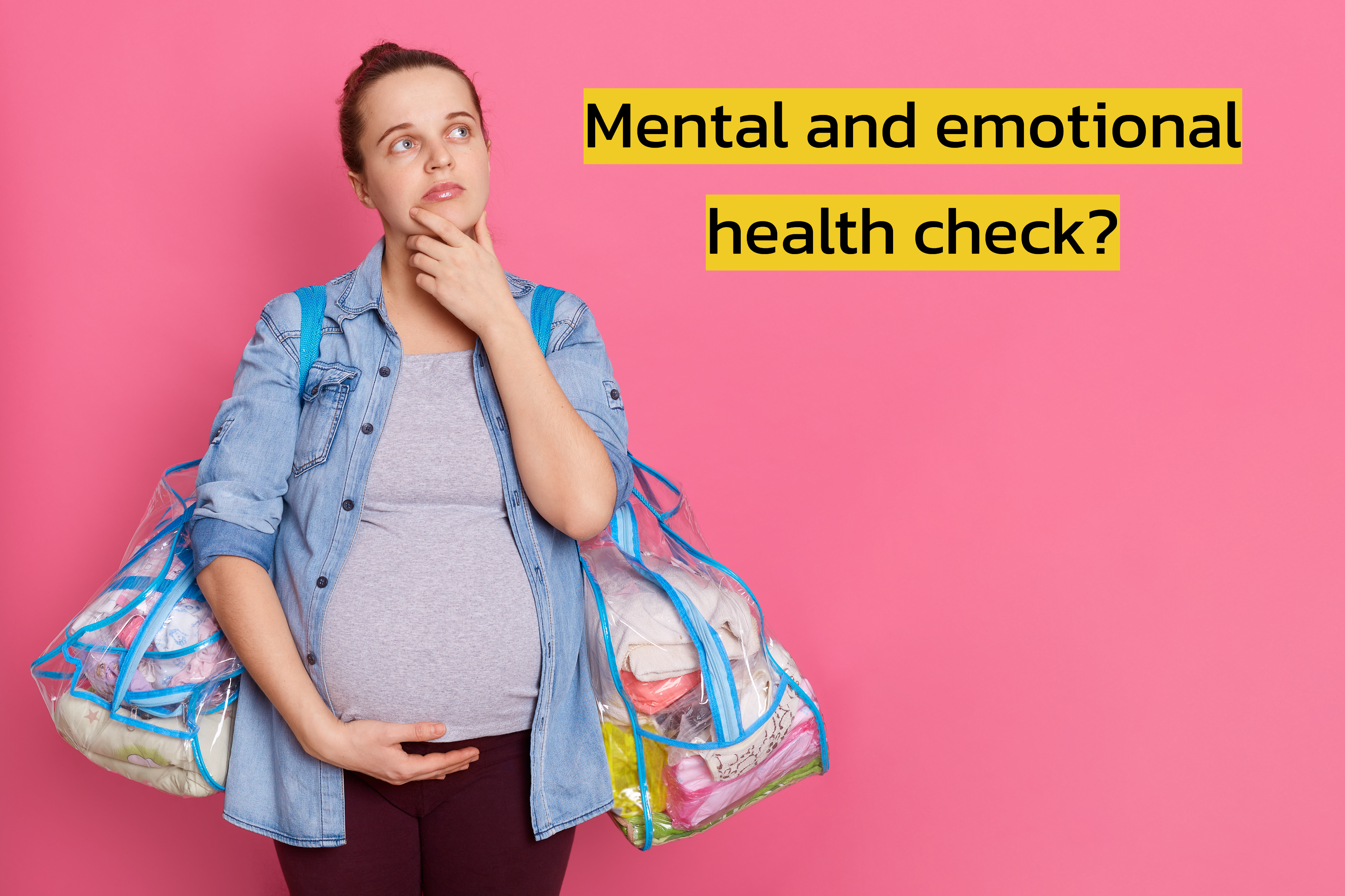
The Impact of Stress and Emotions on Your Pregnancy
Emotional health during pregnancy is rarely addressed, as the emphasis is usually placed on physical challenges. Pregnancy affects emotional aspects of life. This subsequently impacts the physical health status of the expectant mother and the developing baby in her womb.
A mental health check alongside physical consultation during pregnancy shall go a long way. It is affirming the mental and emotional stability of the expectant mother, with a likelihood of minimizing adverse pregnancy outcomes.
Importance of Emotional Health and Pregnancy
Emotional Health and pregnancy are not related to be in a good mood or less stressed. It speaks about the whole picture of the emotional well-being of a mother – the balance in the mood, the ability to cope with problems, and emotional resilience. The enormous hormonal changes in pregnancy can lead to a change in mood, anxiety and depression. And it would be disastrous to allow these conditions to remain undetected.
Research indicates that poor emotional health and pregnancy may lead to –
- preterm birth,
- a decrease in birth weight, or
- post-partum depression.
Another factor is the mother’s mood at this stage.
Mothers with a fair share of emotional distress during pregnancy may give developmental and behavioral trauma to the infants. In this way, prenatal mental health examinations cannot be voluntary; they constitute a part of prenatal care.
Widely Experienced Emotional Difficulties in pregnancy.
The shifts that take place in the body, environment and the relationship a woman has with the fetus in her pregnancy may cause a cascade of emotional and psychological reactions. These issues will be well comprehended, which will help in promoting better mood and better pregnancy outcomes.
1. Anxiety and Worry
Many expectant mothers are undoubtedly anxious about the child’s safety, labor, and all that lies ahead. Some amount of worry is reasonable; in contrast, continuous worry and anxiety will definitely sabotage the pregnant woman’s peace of mind and life. The fact is that untreated anxiety disorders may also increase the risk for some medical complications.
2. Depression
Quite a reasonable number of women suffer from depression during pregnancy. This comprises long-lasting sadness, low energy, and an inability to take pleasure in that which one usually enjoys. Pregnancy may trigger or exacerbate depression from hormonal changes and alterations, hence the urgent need for mental health check for pregnancy for timely recognition and intervention.
3. Mood Swings
Rapid mood swings are pretty common at this stage owing to hormonal changes. Though most of these changes are short-lived, extreme long-lasting mood swings should trigger professional assistance so that they do not become entrenched in a way that may affect the wellbeing of both mother and child.
4. Stress
The stress can have many roots, such as money problems, relationship problems, or fear of giving birth. Persistent stress may lead to the high levels of cortisol that suppress fetal development and weaken maternal immunity.
The Mental Health Checks and their role in Pregnancy
In a systematic assessment of mental health check for pregnancy conducted by health professionals, they make judgments based on-
- forms,
- clinical interviews, or
- sometimes physical examinations.
When a healthcare provider addresses a problem, they will treat it by providing various supports (such as psychotherapy, counseling, or drug therapy where appropriate)—the professional aims to intervene before the stress develops into serious disorders. Until now, health care providers ought to make mental health check pregnancy a habitual part of the prenatal checkup. Health care providers must promote discussions about Emotional Health and pregnancy well-being and establish a relaxed culture that enables a woman to talk about her experiences without the fear of being judged.
Stress and Bad Emotions and Pregnancy
The link between emotional health and pregnancy is much more than moods and feelings; directly linked with these issues is the physical health of the mother and the fetus. Chronic stress on a pregnant woman induces excess production of cortisol-a hormone implicated in the fight-or-flight response.
High levels of cortisol interfere with blood flow to the placenta, thus affecting fetal growth. Abnormally High levels of cortisol among pregnant mothers have also been shown to predict pre-term labor, low birth weight, and related developmental problems in their babies.
Negative emotions, along with persistence in feeling some measure of helplessness, sorrow, or anger, would further undermine good coping mechanisms, which include poor nutrition, disturbed sleep, substance misuse, and dissociation from social support, all negatives that impact gestation outcomes. Hence, mental health checks for pregnancy may thus track these patterns early and allow timely interventions.
A lot of factors interlink between emotional health and pregnancy with regards to the well-being of the expectant mother herself, the unborn child, and ultimately the health of the child.
Therefore, it is of utmost importance that some reliable mental health professionals conduct assessments periodically throughout the period of each pregnancy to try to capture any likely emotional or psychological problems that can lead to adverse effects or simply serve to support the woman along the road of her pregnancy.
In that way, we must portray pregnancy in golden hues, the time of happiness, not something when a woman loses her spirit in the chaos of uncontrolled stress, anxiety, and depression. This space empowers expected mothers to leave these hurdles behind and embraces the support and confidence that can be translated into one of empowerment. The aim is to deliver healthier experiences to both her and the baby.