
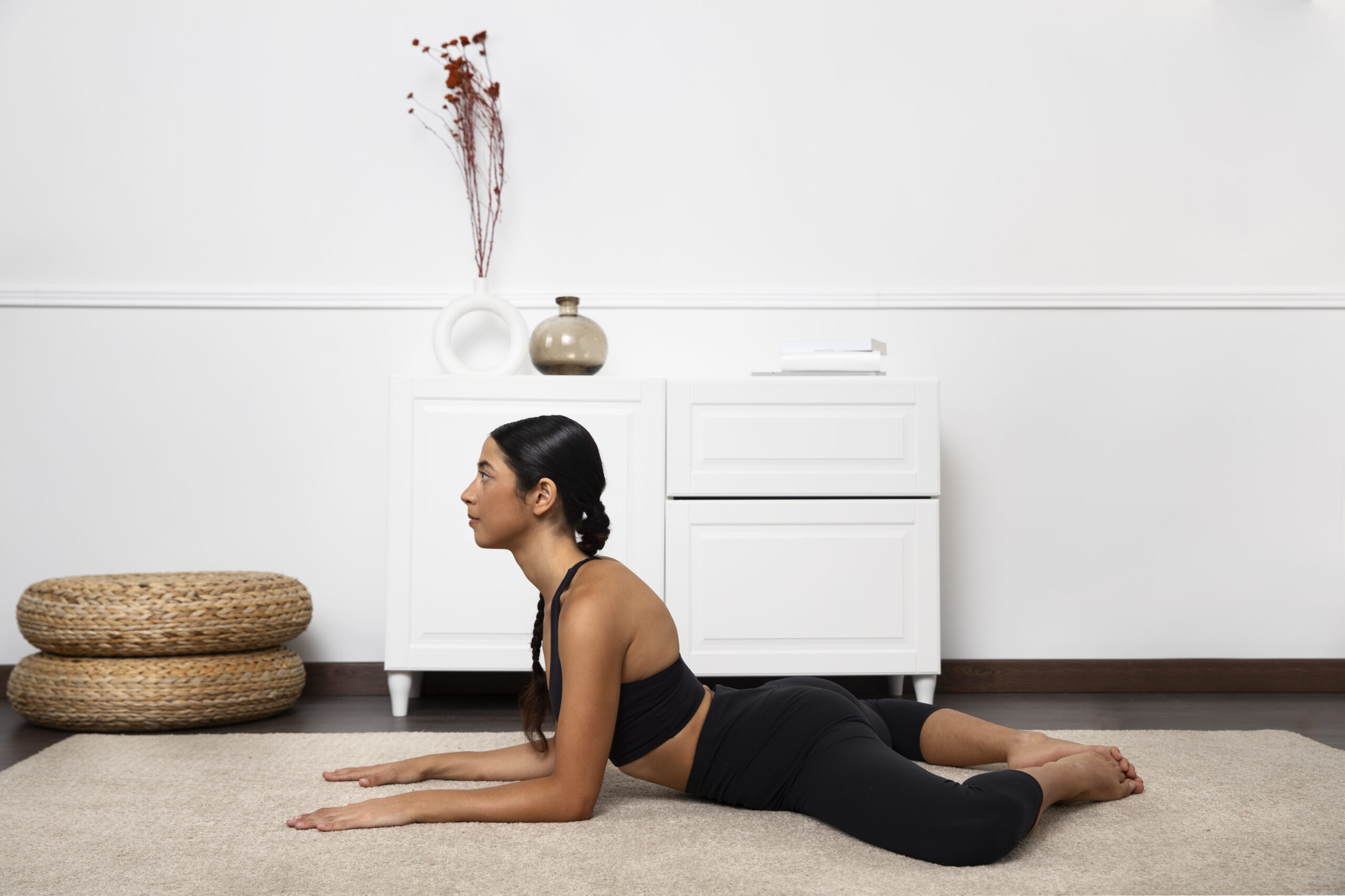
People often ignore pelvic floor muscles, but this must stop. These muscles support your growing baby, help with continence, and ease the labor process. Practice prenatal yoga for pelvic floor for endless self-support, easy breathing, stretching, and strengthening. As a result, experience a more pleasant pregnancy and an empowered birth.
You experience pregnancy as an adventure filled with awe and change. Hormonally speaking, a woman would go through some very extraordinary highs and lows. The pelvic floor muscles, often overlooked, silently support and strengthen the load while remaining on their track. The pelvic floor muscle, yes, we are talking about it! Despite its critical role in ensuring a smoother pregnancy and a safer delivery, it still requires attention.
Functional Concept of the Pelvic Floor – The Basis for Maternal Well-being
At the bottom of the pelvic cavity, there lies a muscular structure. It is held by ligaments and connective tissue, which form a sling, the pelvic floor. In that context, it serves to support the bladder, bowel, and reproductive organs. The pelvic floor is not only passive support, but has major active roles in significant functions of your body. For instance-
- Controlling the bladder and the bowel movement,
- Sexual functions, and
- Working with your breath along with your deep core muscles.
Major changes occur in this most significant muscle group during pregnancy. The increased weight of your enlarging uterus, hormone levels that relax the ligaments, and the stress tests of giving birth can lead to various dysfunctions of the pelvic floor. Common issues that people often neglect may come in the form of problems like –
- Urinary leakage (even with a cough or sneeze),
- Pelvic pain or discomfort in the hips, or
- Stress about labor and delivery.
This is when prenatal yoga for the pelvic floor becomes a useful weapon against all these ordeals.
Holistic Benefits and Evidence-Based Support
Apart from its targeted benefits to pelvic floor muscles, prenatal yoga for pelvic floor can provide numerous other whole-body benefits to render pregnancy and giving birth less straining processes. These are stress reduction, improved sleep, psychological robustness, and enhanced coping with pain due to typical discomforts during pregnancy, particularly those of the hip and back.
Recent studies have been initiated to validate these benefits empirically. It is found that prenatal yoga can reduce maternal stress and improve psychological resilience so that new mothers are equipped to face the challenges of pregnancy and motherhood with pep.
Notably, prenatal yoga for pelvic floor practices reduce the duration of the second stage of labor and improve pregnancy outcomes, including reduced rates of forceps delivery, episiotomy, use of oxytocin, and cesareans, while increasing rates of vaginal deliveries. The results underline the possibility of integrating evidence-based prenatal yoga for pelvic floor interventions into standard antenatal care.
. The results underline the possibility of integrating evidence-based prenatal yoga for pelvic floor interventions into standard antenatal care.
From Empowered Birth to Long-Term Wellness Benefits
“Not just physical, but mental and emotional health come along with yoga practice!”
Ankita Mahajan (Naturopath and Yoga Mentor)

Prenatal yoga doesn’t merely get the pelvic floor prepared for labor and delivery. It offers a plethora of physiological, emotional, and postnatal benefits that are felt much beyond the mat. It’s a holistic kit-one that supports your body’s adaptation to pregnancy and lays down the basis for lifelong pelvic health and functional movement.
- Enhanced Circulation and Lymph Flow:
Prenatal yoga improves circulation to the pelvis and thus will help treat signs of swelling, varicose veins, and fluid retention through rhythmic breath-practices, gentle inversion, and movement. Some postures can relieve pelvic congestion due to metabolic wastes carrying lymphatic drainage through some gentle mobilizations of the hips and lower body.
2. Improved Neuromuscular Coordination:
Subtle cues and conscious engagement cause functional neuromuscular intelligence through precognitive distal muscular coordination. It is important to ensure that the timing, relaxation, and finally, the strength of those muscles merge.
Being conscious of your pelvic floor can assist in the prevention of complications occurring after childbirth, such as organ prolapse or long-standing pelvic pain.
3. Hormonal and Emotional Control:
Deep breathing and practicing mindfulness through Yoga can regularly result in a balanced state of stress hormones like cortisol and adrenaline; it relaxes the nervous system and quietens stress, induces sleep, and builds up resistance to emotional setbacks-all those very things necessary during pregnancy and the transition to motherhood.
4. Postnatal Rejuvenation and Longevity
A firm yet flexible pelvic floor facilitates quicker postpartum recovery, re-establishing continence, stability, and sexual function. In addition, women who practice pelvic-centered prenatal yoga tend to move more easily into postnatal self-care, avoiding chronic dysfunction and core integrity well into later years.
In short, prenatal yoga for the pelvic floor is not a temporary aid—it’s an investment in long-term strength, confidence, and wellness in every stage of motherhood. Yogmummy offers a healthy pregnancy package that includes yoga asanas, a balanced diet chart, and emotional support for women. Connect with us and enjoy the best prenatal, antenatal, and postnatal sessions led by experts who acknowledge the importance of right alignment during yoga practice and body strength training.


2 thoughts on “Get Breathe, Stretch, Strength with Prenatal Yoga for Pelvic Floor”